PYLI – Pakistan Youth Leadership Initiative
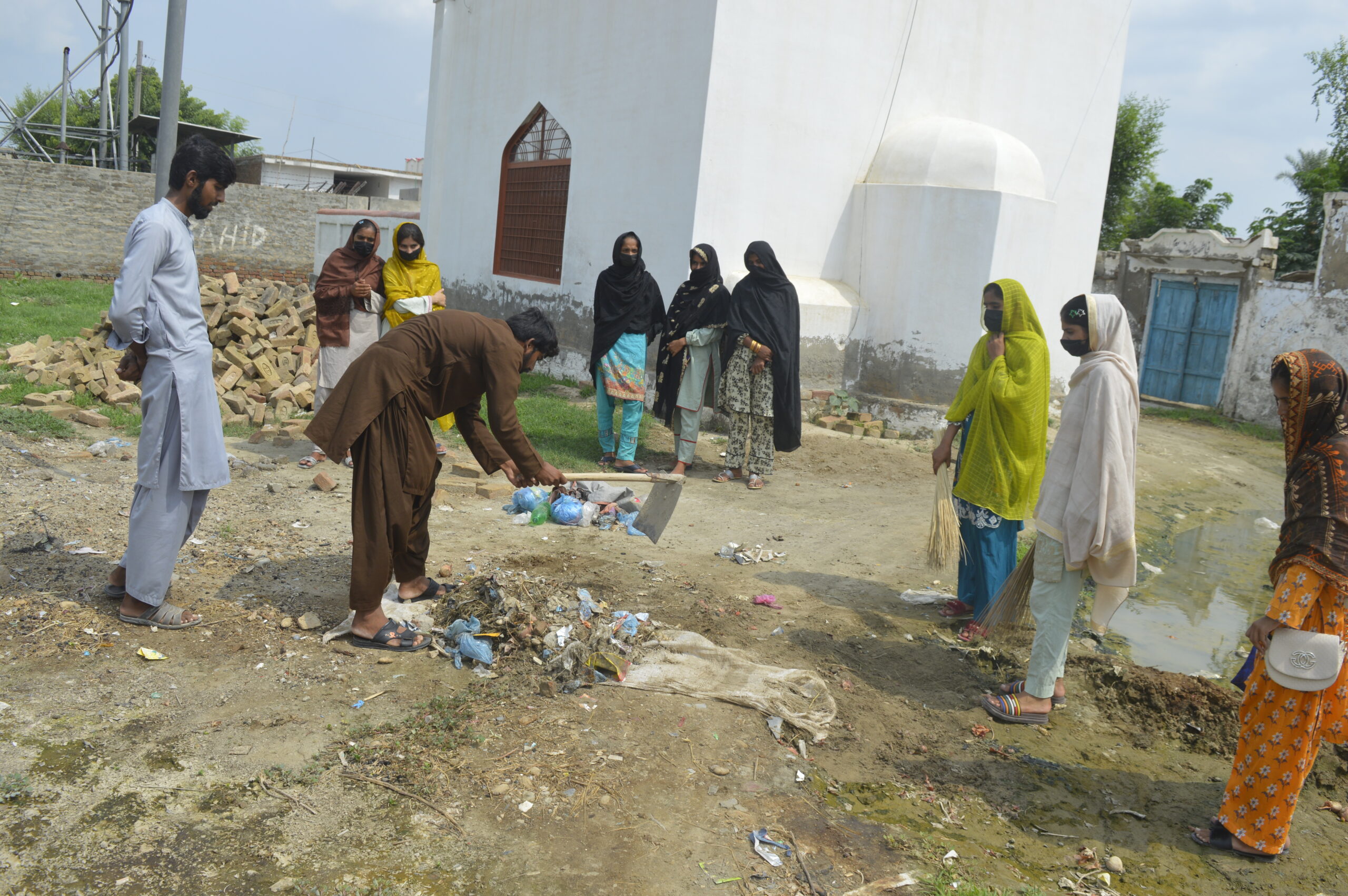
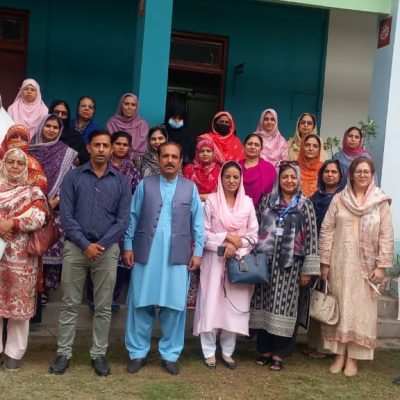
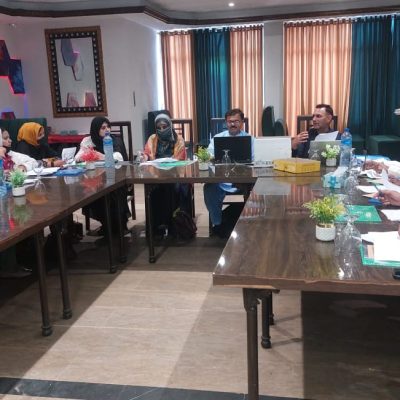
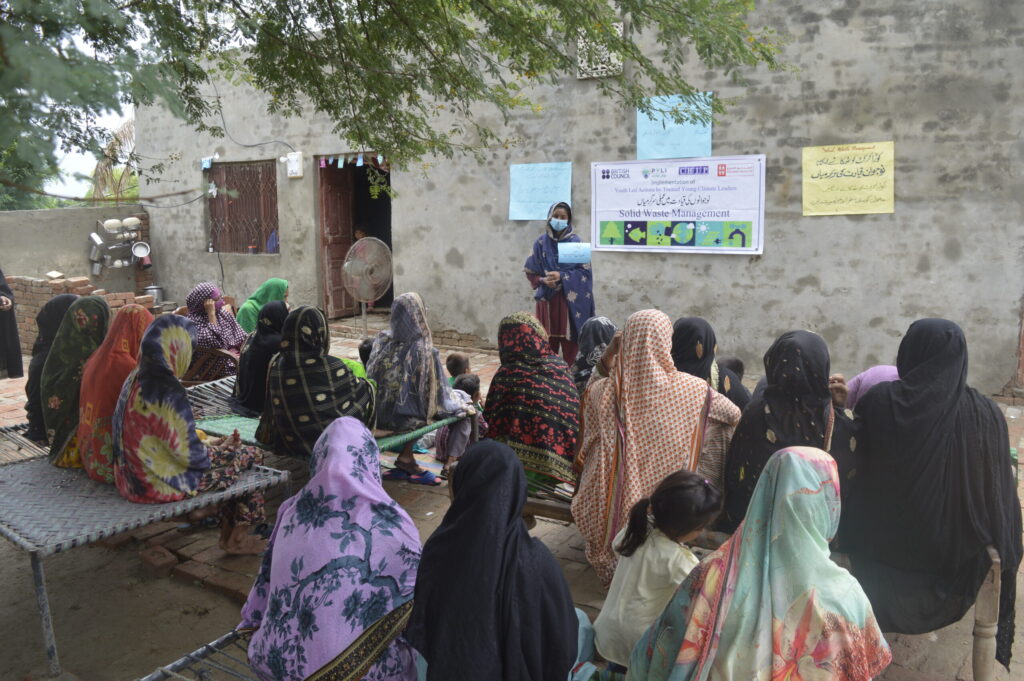
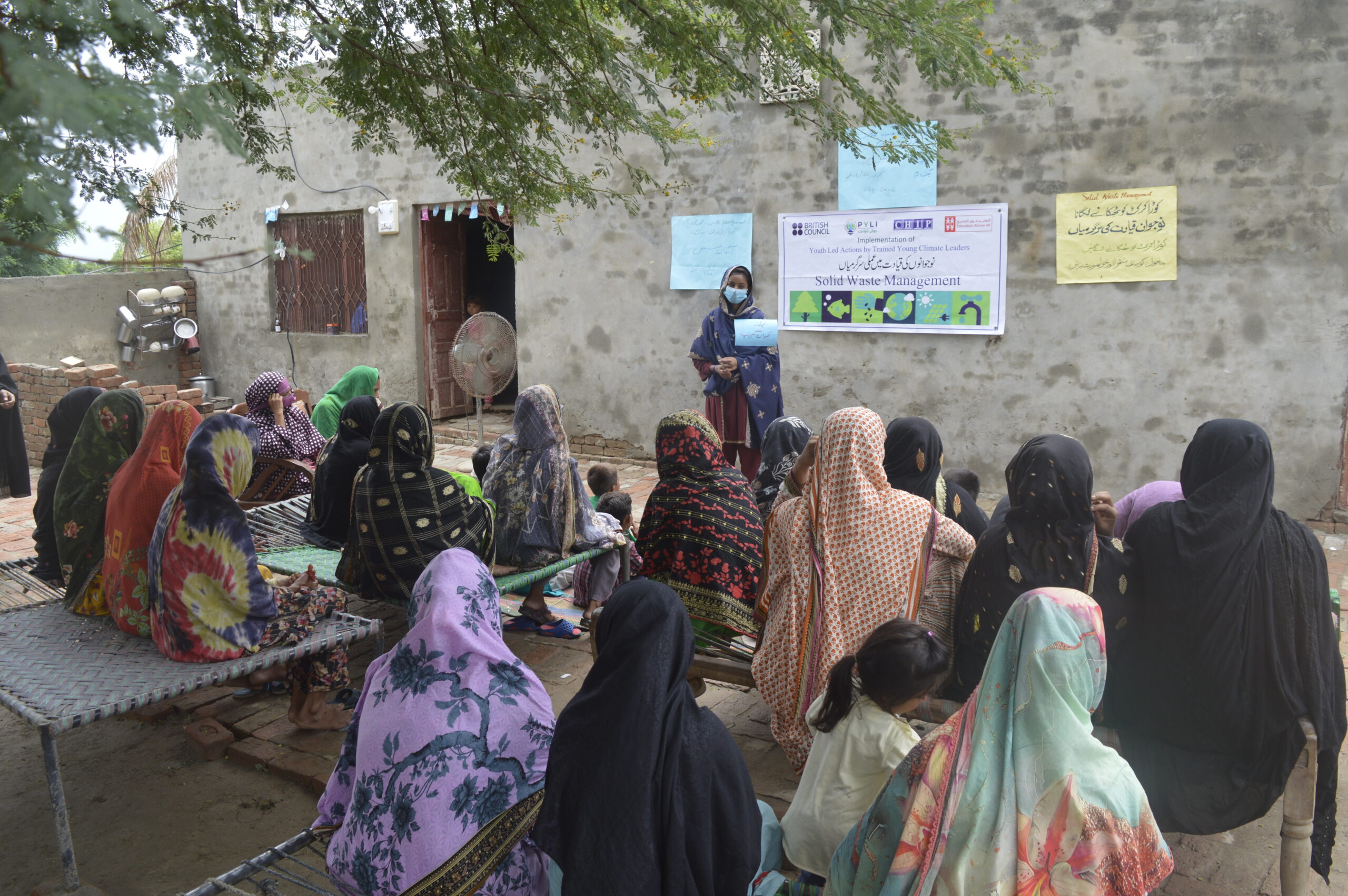
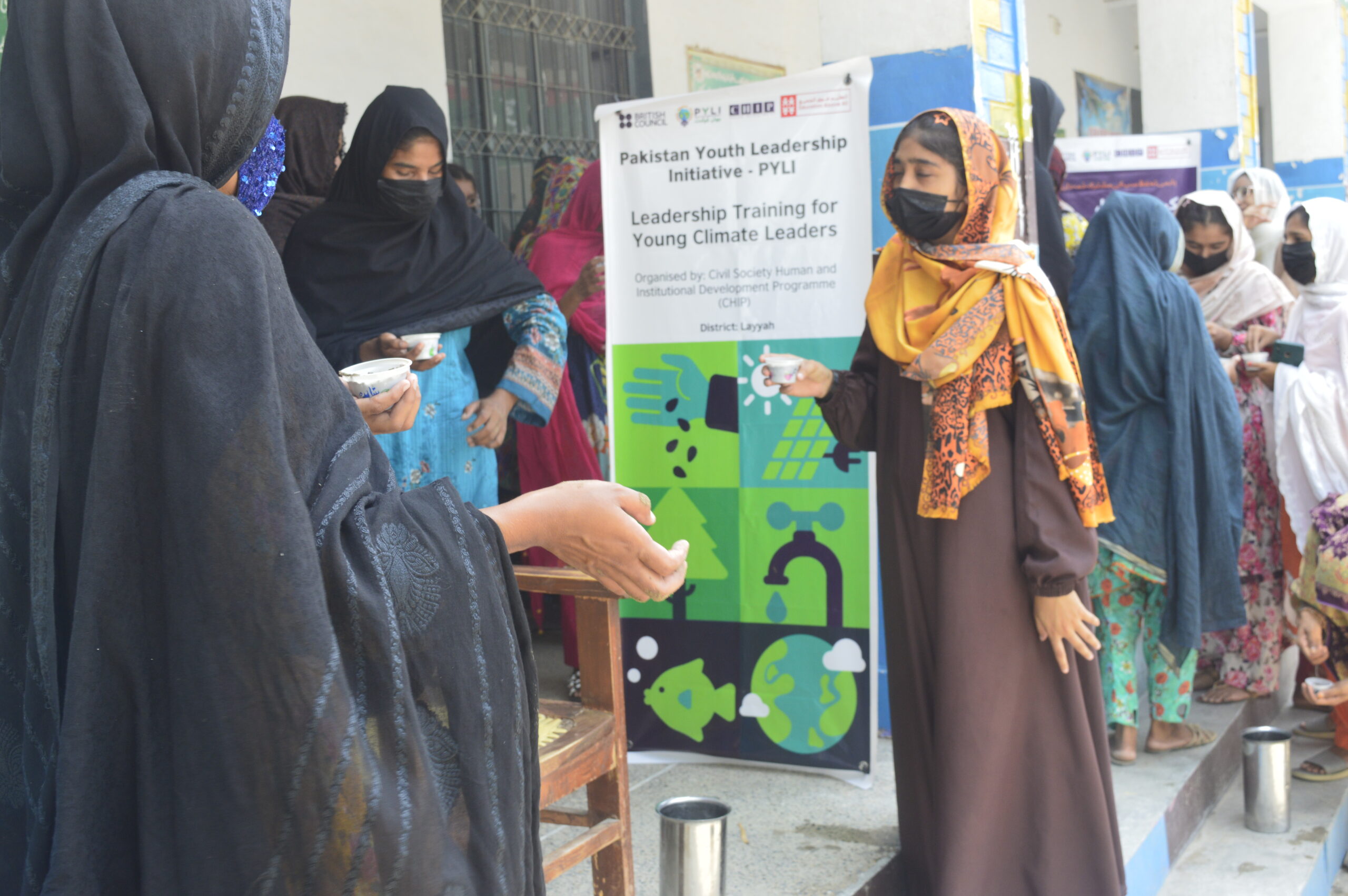
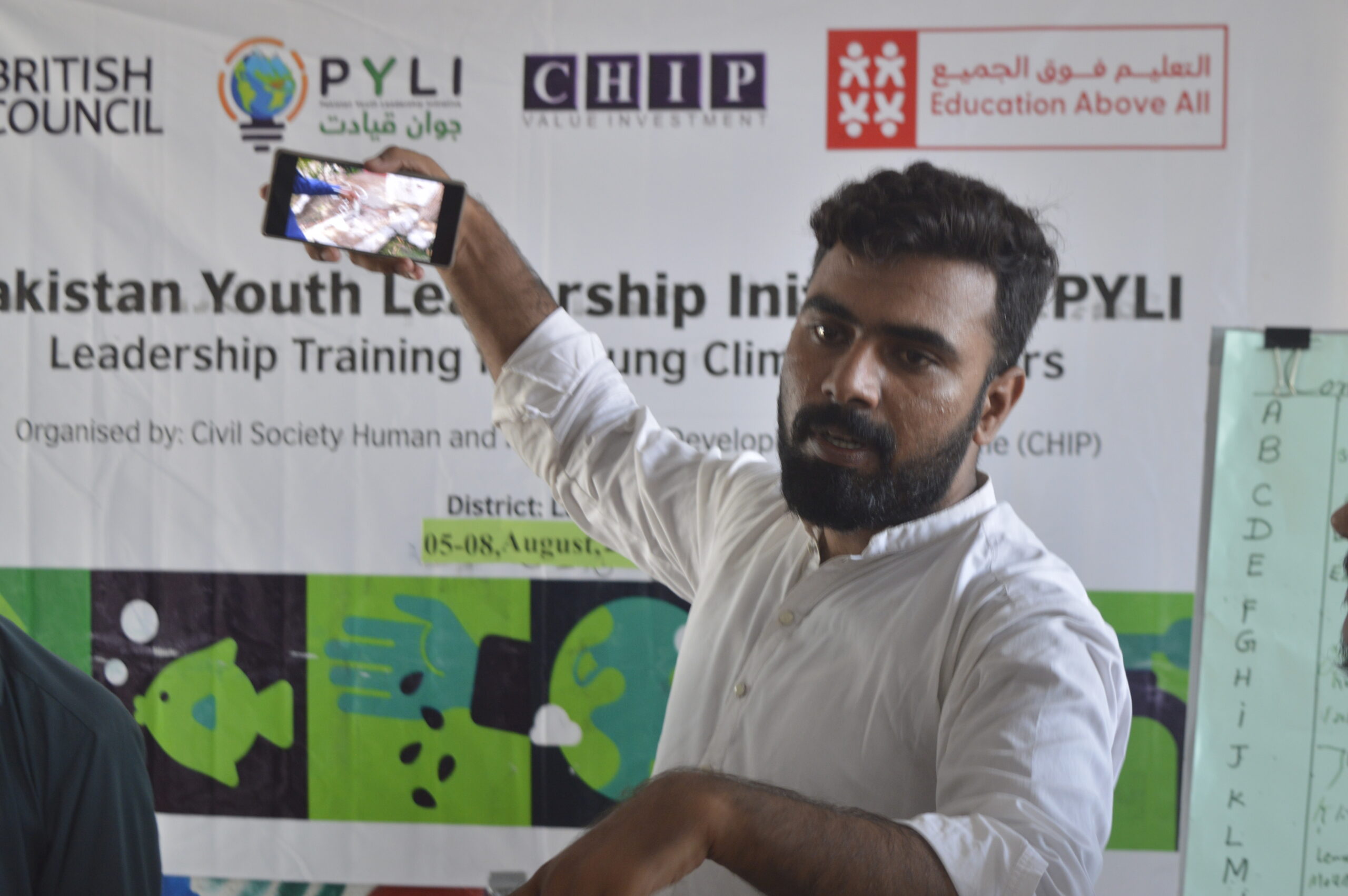
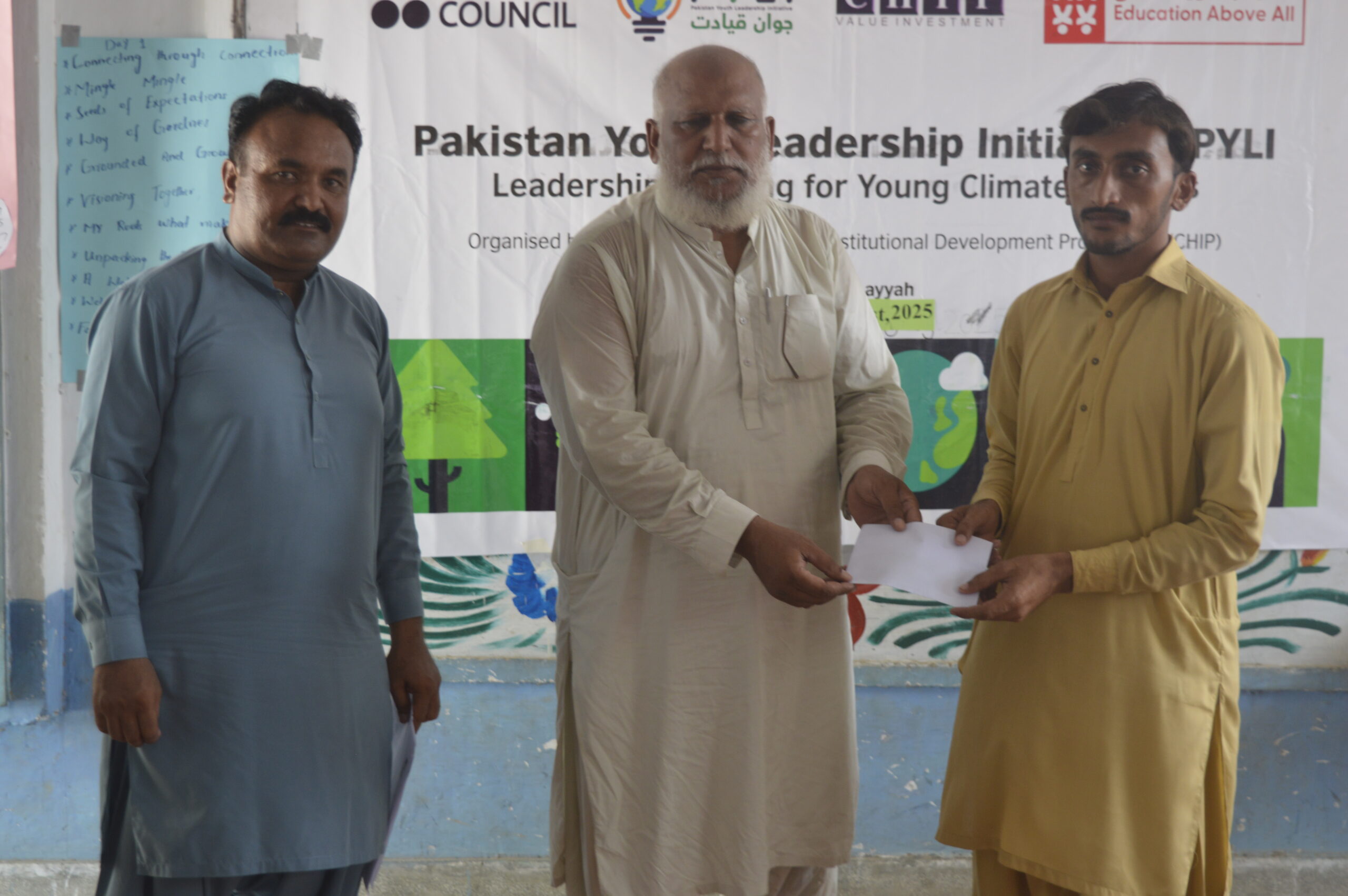
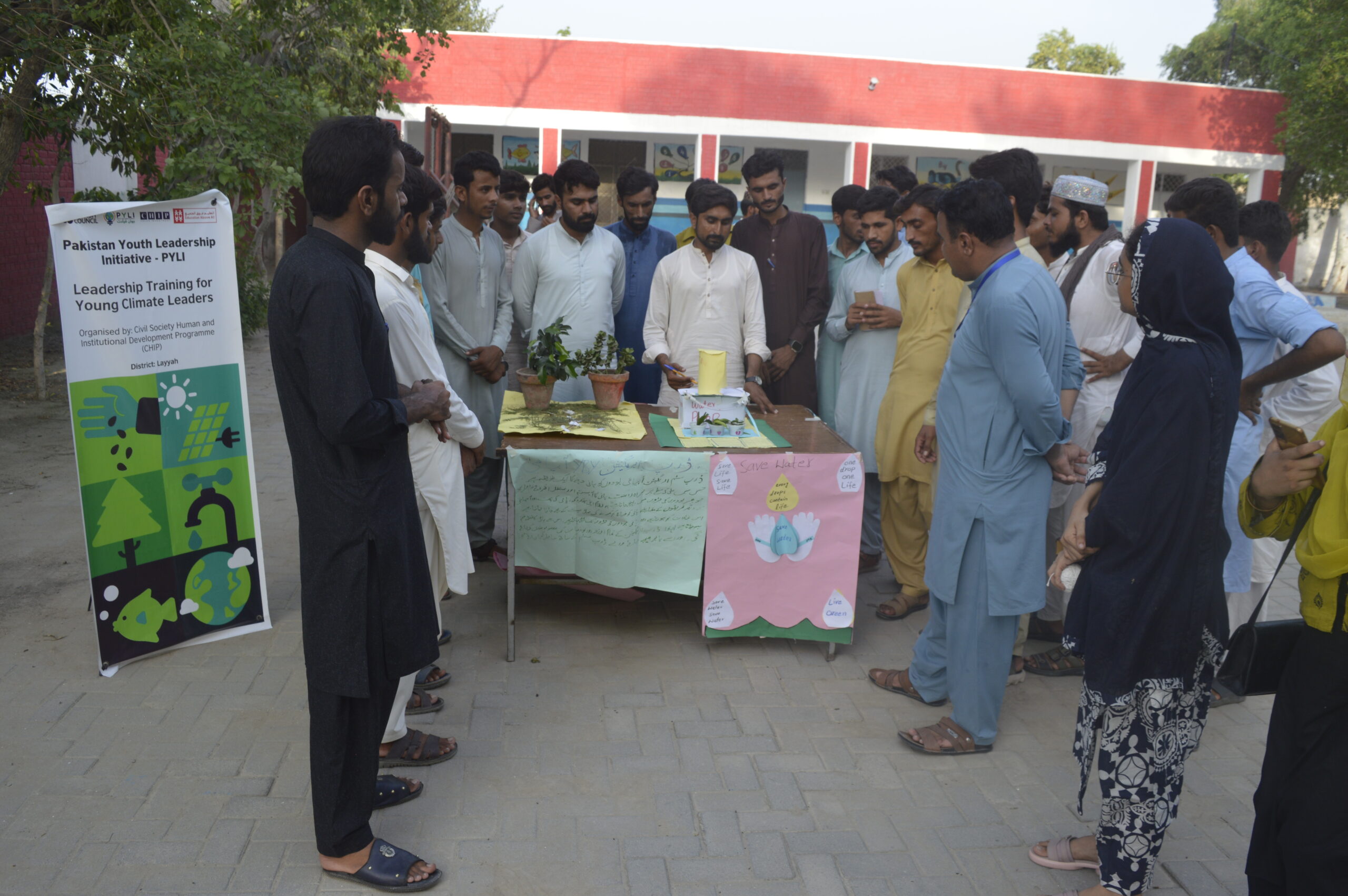
CHIP, with the support of the British Council, is implementing the Pakistan Youth Leadership Initiative (PYLI) from March to December 2025 in Layyah District, Punjab. The project empowers young women and men to become active climate leaders by equipping them with knowledge, skills, and networks to take responsible, inclusive, and impactful action on climate change. Through leadership training and youth-led actions, PYLI develops the capacity of young people to design practical community-based solutions around five core themes: tree plantation, water conservation, renewable energy, climate education, and solid waste management. By fostering social responsibility and respect for diversity, the initiative enables youth to influence local, national, and global climate agendas while creating an enabling environment for equitable youth participation in policy and decision-making.
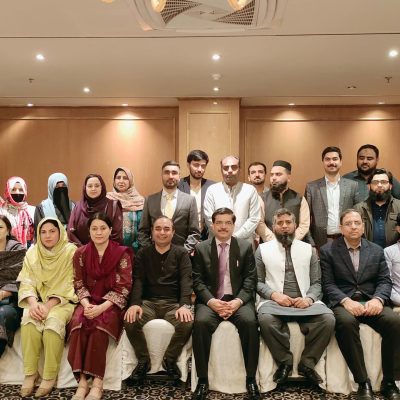
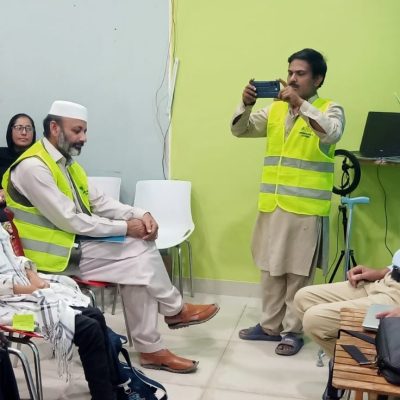
Since its launch, PYLI has registered 193 young people from diverse rural and semi-urban communities of Layyah, of whom 137 (67 male, 70 female) have completed intensive leadership training. These youth climate leaders have initiated 22 community-driven Youth-Led Actions (YLAs), already achieving tangible results such as conserving 1.258 cubic meters of water, saving 29,740 kWh/year of energy, and collecting 130 kg of solid waste for proper management. With strong emphasis on inclusion, women and marginalized groups are playing a central role in shaping community resilience. PYLI is building a generation of empowered youth leaders whose actions are driving climate-smart practices, behavioral change, and sustainable development at the grassroots level in Pakistan.


HPV – Engaging & Empowering Communities (EEC) for Cervical Cancer Prevention
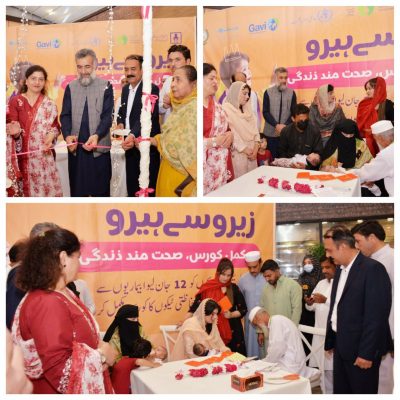
CHIP in Collaboration with DOPASI Foundation and with support from Gavi, implementing the project on the awareness of HPV Vaccination from August 2025 to July 2026 in Islamabad Capital Territory.
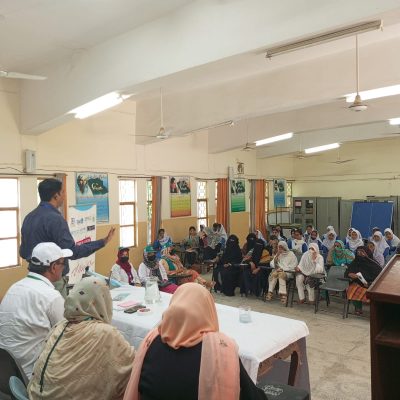
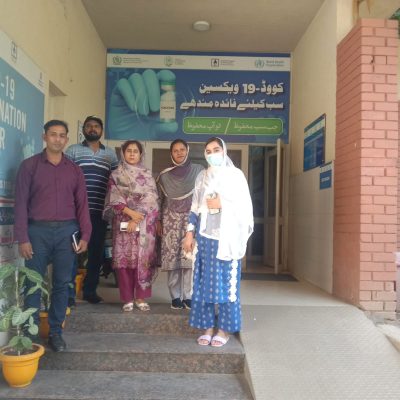
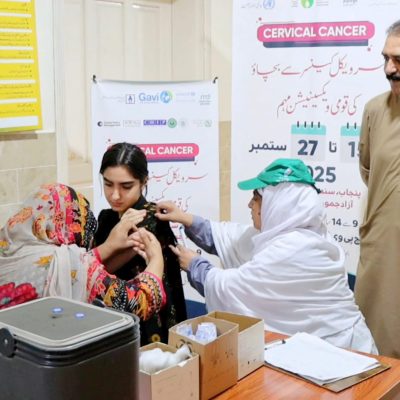
The project supports the national rollout of the Human Papillomavirus (HPV) vaccine for girls aged 9–14 years, aiming to increase acceptance, improve coverage, and reduce long-term risks of cervical cancer—the second most common cancer among women in Pakistan. Through awareness sessions in schools and communities, influencer engagement, and mass communication campaigns, the project addresses misconceptions, builds trust, and mobilizes families to protect adolescent girls from HPV, which causes over 95% of cervical cancer cases.
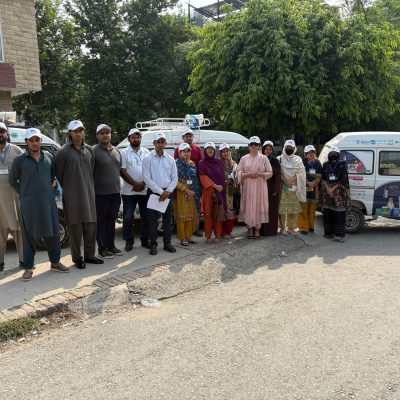
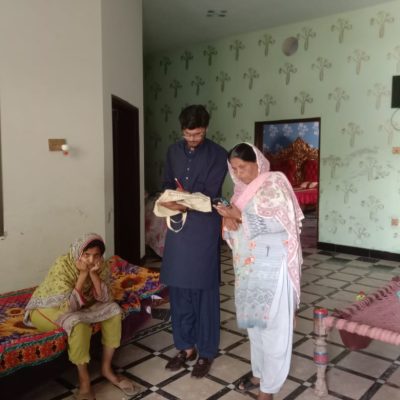
The initiative combines awareness, capacity building, and strategic coordination with health authorities to maximize impact. From August 2025, sensitization sessions have engaged girls, parents, teachers, caregivers, and community leaders, while during the September 15–27, 2025 HPV Vaccination Campaign, CHIP established information desks at key public points, deployed mobile vans for outreach, and distributed IEC materials across Islamabad. With strong collaboration from schools, community resource persons, religious leaders, and youth ambassadors, the project aims to reach 152,000 adolescent girls with life-saving protection, paving the way for healthier futures and safeguarding young women against preventable cervical cancer.


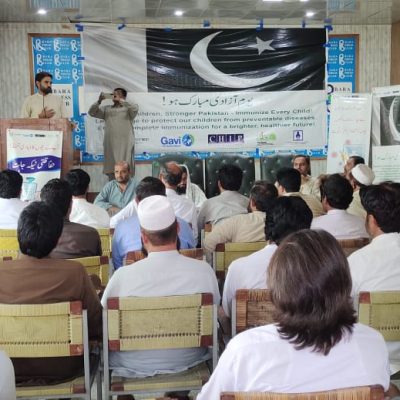
Reaching the Unreached Children for Improving Immunization Through Demand Generation in Khyber Pakhtunkhwa (KPK), Pakistan
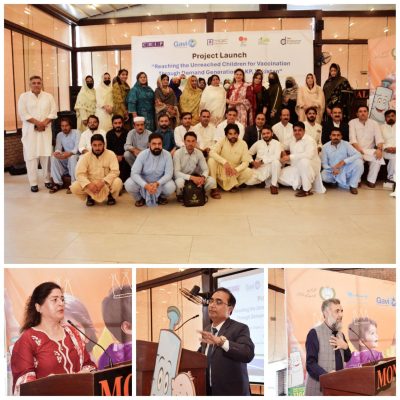
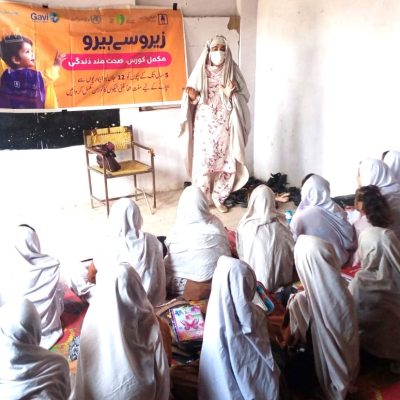
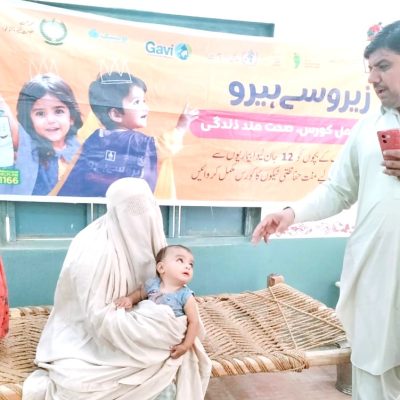
CHIP, with support from GAVI through Mannion and Daniel, is implementing the project “Reaching the Unreached Children for Improving Immunization through Demand Generation in Khyber Pakhtunkhwa (KPK), Pakistan” from April 2025 to June 2026.
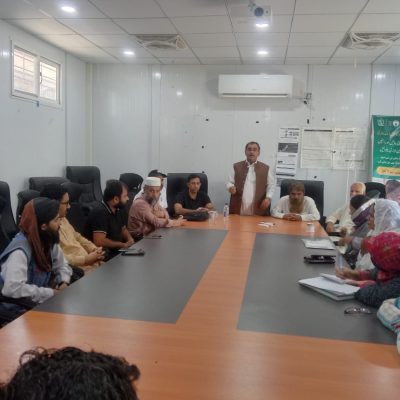
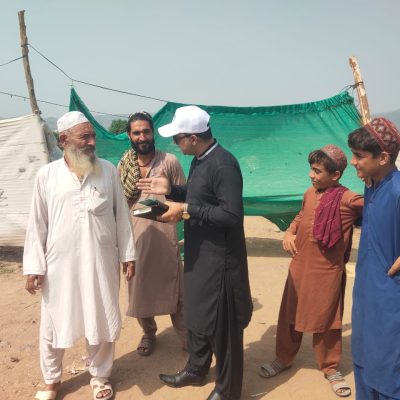
The project addresses persistently low immunization rates in 05 underserved districts of Khyber Pakhtunkhwa, including Dera Ismail Khan, Lakki Marwat, Bannu, Peshawar, and Khyber Districts, where geographic barriers, misconceptions, and social hesitancies prevent children from receiving life-saving vaccines. By engaging communities, mobilizing caregivers, and strengthening trust in health systems, the project aims to reduce vaccine hesitancy and ensure every child, including zero-dose and defaulter children, is protected.
Through targeted community engagement, behavior change communication, capacity building of health workers, and partnerships with local influencers, CSOs, and health committees, the project will reach over 130,000 beneficiaries. This includes immunizing 30,000 zero-dose and defaulter children under 23 months, training 150 frontline health workers, and conducting 1,000 outreach vaccination events. By combining grassroots mobilization with system strengthening, the initiative seeks to bridge equity gaps, enhance demand for immunization, and build sustainable community ownership, ensuring that no child in KPK is left behind in accessing essential vaccines.





Misereor – Climate Friendly and Resource Efficient WASH and Livelihoods in Layyah
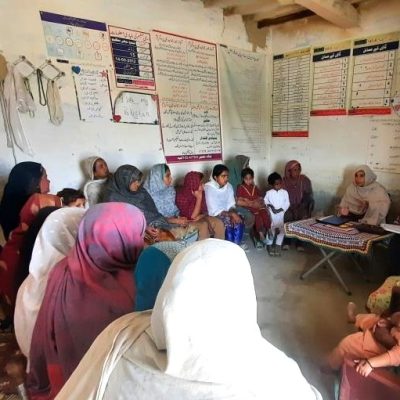
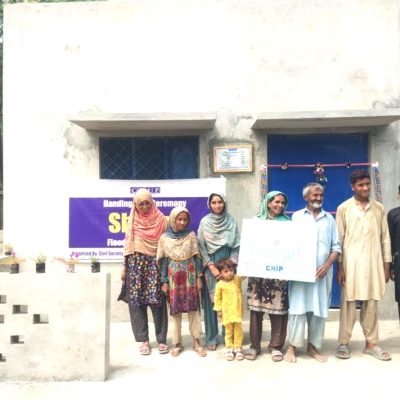
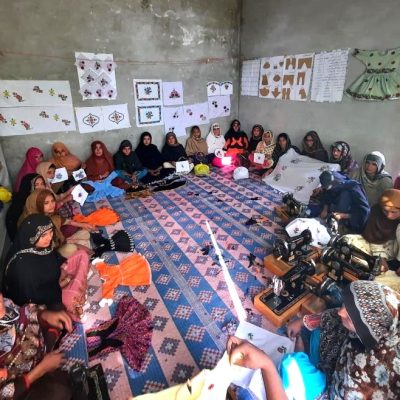
CHIP with the support of Misereor (November 2023 – October 2026) across 10 union councils and 25 villages in District Layyah, Punjab. The initiative addresses the pressing challenges of water, sanitation, hygiene (WASH), and livelihoods in one of Punjab’s most climate-affected districts. By combining climate change adaptation, resource-efficient practices, and economic empowerment, the project strengthens community resilience while ensuring sustainability and local ownership. A strong focus is placed on women, youth, and persons with disabilities, enabling equitable access to safe WASH services, skills development, and enterprise opportunities.
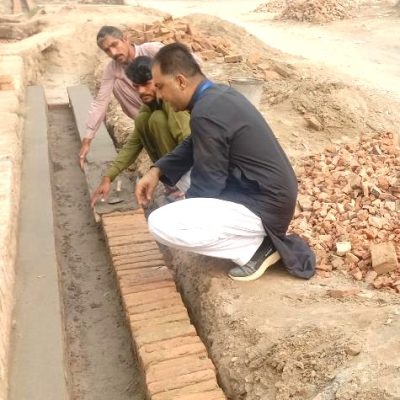
Building on earlier phases, the project empowers Community and Women Organizations to take active roles in collective decision-making and climate-smart local development. Interventions include installation of hand pumps, communal toilets, sewerage systems, shelters, skill training, enterprise development, and agricultural support. Women-headed households and vulnerable groups are prioritized, receiving tailored support for food security, legal awareness, and protection from exploitation. With communities contributing up to 35% in cost-sharing and decision-making, the project fosters inclusive ownership and sustainability. Ultimately, the initiative is enhancing livelihoods, improving WASH infrastructure, and equipping communities in Layyah to adapt to climate change while safeguarding their health, dignity, and economic security.


PIHE – Pakistan Inclusive Eye Health Project
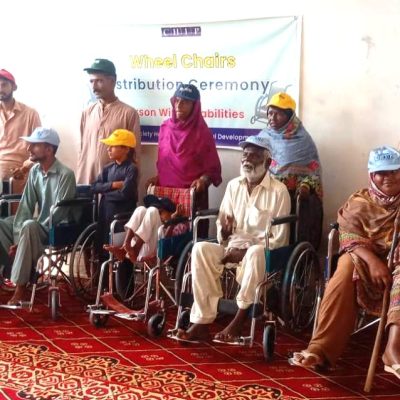
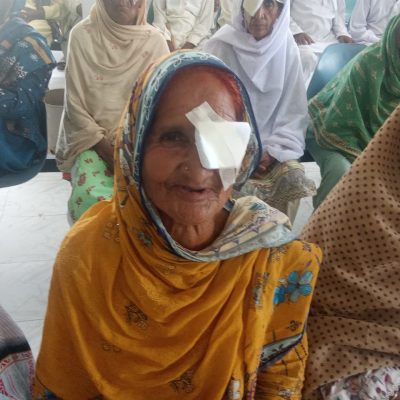
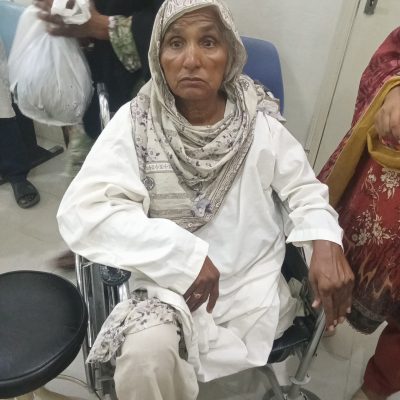
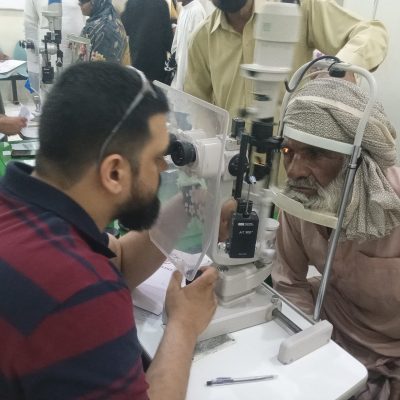
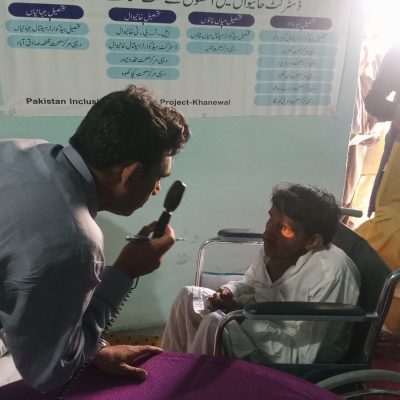
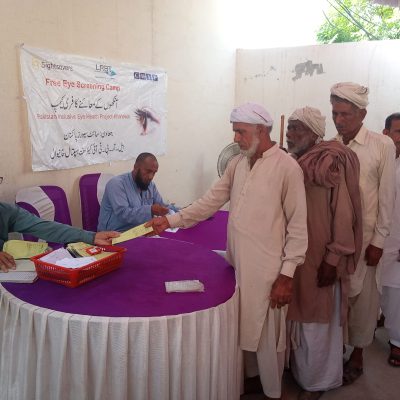
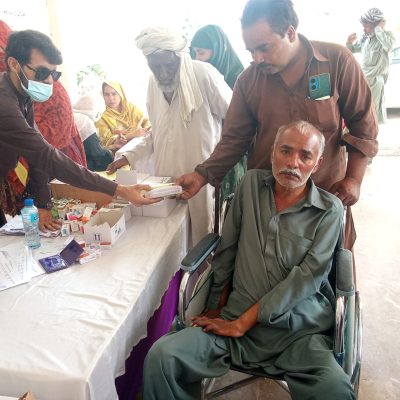
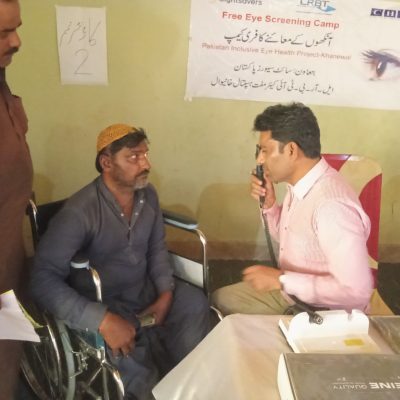
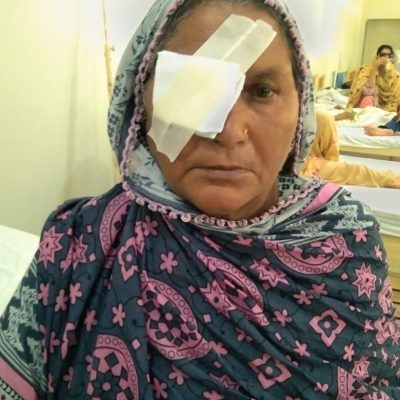
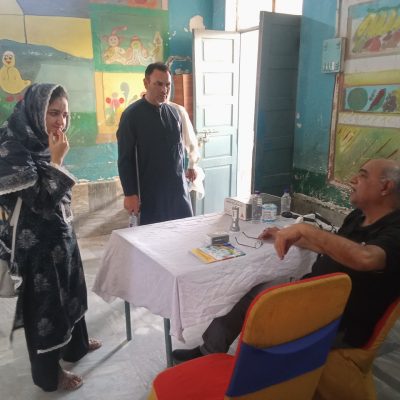
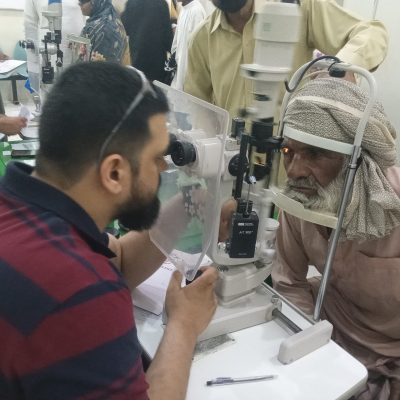
CHIP, in partnership with Sightsavers, is implementing the Pakistan Inclusive Eye Health Project (January 2023 – December 2027) in Sargodha and Khanewal districts of Punjab. The project aims to improve equitable access to quality and sustainable eye health services for women and men, including persons with disabilities and other marginalized groups. It focuses on strengthening health facilities to deliver disability-inclusive and patient-centered care, building the capacity of health workers, and conducting accessibility audits and modifications. Alongside service delivery, the project engages in advocacy and policy influence to ensure that inclusive eye health strategies and data are integrated into provincial health systems and aligned with national and global development goals.
Since its inception, the project has made significant progress in expanding inclusive services. Eight QSAT-based action plans have been developed, 84 targeted outreach camps have been organized, 1,680 patients with disabilities have received dedicated care. Through its deliberate focus on marginalized groups including persons with disabilities, transgender individuals, minorities, and people living in underserved areas the project is addressing systemic barriers caused by stigma and discrimination.
By engaging Organizations of Persons with Disabilities (OPDs), strengthening referral pathways, and aligning with government frameworks, the Inclusive Eye Health Project is creating a sustainable model of equitable eye care that ensures no one is left behind.


PIHE – Pakistan Inclusive Eye Health Project
CHIP, in partnership with Sightsavers, is implementing the Pakistan Inclusive Eye Health Project (January 2023 – December 2027) in Sargodha and Khanewal districts of Punjab. The project aims to improve equitable access to quality and sustainable eye health services for women and men, including persons with disabilities and other marginalized groups. It focuses on strengthening health facilities to deliver disability-inclusive and patient-centered care, building the capacity of health workers, and conducting accessibility audits and modifications. Alongside service delivery, the project engages in advocacy and policy influence to ensure that inclusive eye health strategies and data are integrated into provincial health systems and aligned with national and global development goals.
Since its inception, the project has made significant progress in expanding inclusive services. Eight QSAT-based action plans have been developed, 84 targeted outreach camps have been organized, 1,680 patients with disabilities have received dedicated care. Through its deliberate focus on marginalized groups including persons with disabilities, transgender individuals, minorities, and people living in underserved areas the project is addressing systemic barriers caused by stigma and discrimination.
By engaging Organizations of Persons with Disabilities (OPDs), strengthening referral pathways, and aligning with government frameworks, the Inclusive Eye Health Project is creating a sustainable model of equitable eye care that ensures no one is left behind.


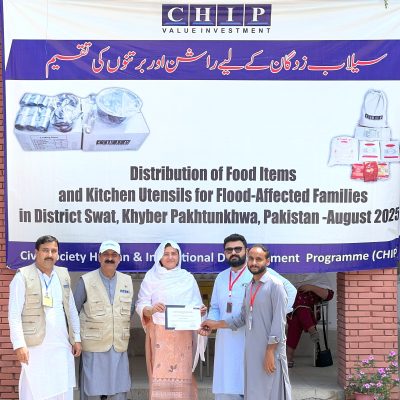
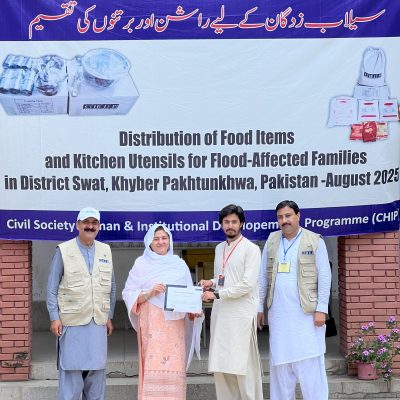
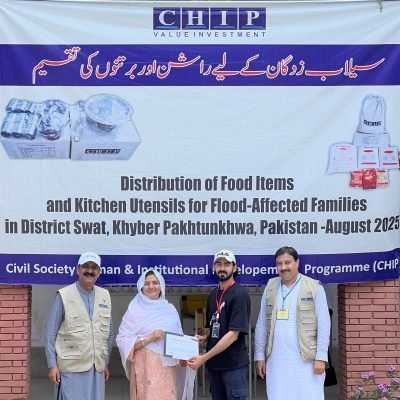
Emergency Relief Support to Flood-Affected Families in Swat
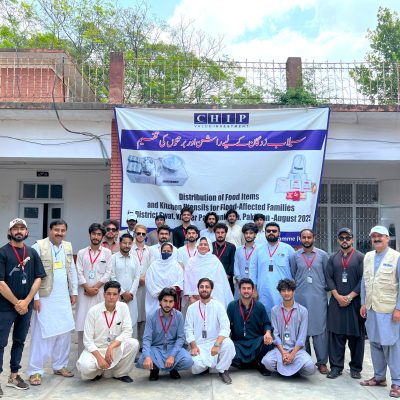
CHIP initiated the relief support to address the urgent needs of families devastated by recent floods. Following a rapid assessment, the project identified food insecurity and lack of cooking essentials as the most immediate challenges for affected households. With the approval of the CHIP Board, food rations and kitchen sets were prioritized as critical relief items, ensuring that families had both the supplies and means to prepare meals. This timely intervention aimed to reduce the adverse effects of the disaster and restore dignity to those struggling to meet their basic needs.
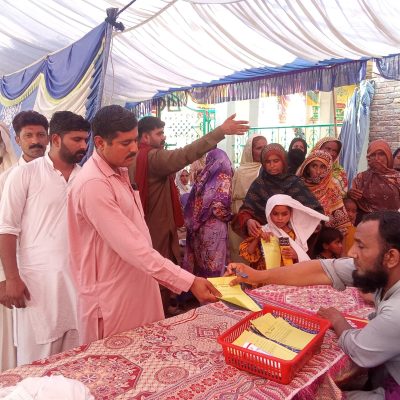
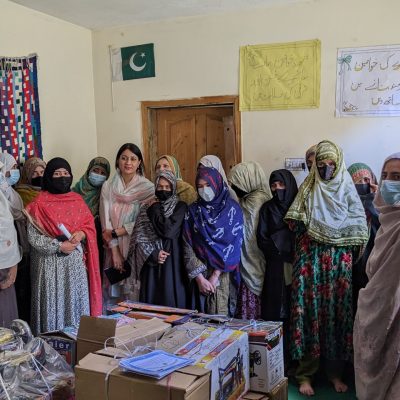
In close collaboration with Mashaal Welfare Trust, a youth-led local organization actively engaged in evacuation and disaster response, CHIP conducted a transparent registration process to identify 110 of the most vulnerable families in Landikass and Bangladesh localities of Mingora, Swat. Each family received a ration package sufficient for a household of 5–6 persons for one week, along with essential kitchen utensils to support safe food preparation. By combining quality procurement, fair distribution, and strong community partnerships, the initiative not only provided immediate relief to 100 families but also strengthened local resilience and trust, ensuring that aid reached those who needed it most.